In this guide, we’ll explain what paintball eyes are, how they work, why they matter, and what can happen when they become dirty or stop working properly.
What Are Eyes on a Paintball Gun?
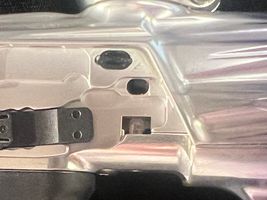
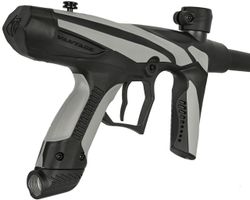
Paintball gun eyes are small sensors located inside the breech area of an electronic paintball marker. Their job is to detect whether a paintball is present and completely loaded in the firing chamber.
The term “eyes” comes from the way these sensors essentially act like an electronic set of eyes, that are "looking" for a paintball. They monitor the position of the paintball and send information to the marker’s electronic control system. When the marker detects a paintball in the correct position, its electronics can determine that the marker is ready to fire.
How Do Paintball Eyes Work?
Most modern paintball markers use an infrared (IR) break-beam for their eyes, that when a ball drop between them, breaking the beam, the marker is capable of firing.
A simplified sequence looks like this:
A paintball enters the breech from the loader.
The eye system detects the paintball.
The electronic control board receives the sensor information.
The marker determines that a ball is present, and will go "bang" when you pull the trigger.
The firing system can vary a bit, depending on the marker’s settings and safety logic, but this is a simplified breakdown of the sequence.
Why Do Paintball Guns Have Eyes?
The main purpose of paintball eyes is to help the marker distinguish between an empty breech and a breech containing a paintball. This is particularly useful with markers with a high rate of fire, because the likelihood that a ball hasn't fed all the way is higher. Without a reliable way to determine whether a paintball is loaded, a marker could attempt to fire when the breech is half full, thus causing a ball to be chopped. Modern electronic control systems can use eye information to help prevent undesirable firing cycles and help to eliminate ball breakage within the breech.
What Happens When the Eyes Are Turned Off?
Many electronic paintball markers have a setting that allows the eye system to be disabled. The exact behavior depends on the marker and its control board.
With the eyes disabled, the marker will no longer be able to confirm whether a paintball is present before cycling. Most markers can still operate in this mode, but they may behave differently from their normal eye-enabled operation.
What Happens When Paintball Eyes Get Dirty?
Because the eyes are located around the breech, they can become contaminated by paint, dirt, broken paintballs, or other debris.
Dirty eyes can cause the marker to receive incorrect information about whether a paintball is present, or not.
Depending on the marker, symptoms can include:
The marker refusing to fire normally, generally with a lower rate of fire.
Eye-related warnings or error indicators
Reduced performance until the sensors are cleaned
If you suspect an eye problem, consult the marker’s manual for the manufacturer-approved cleaning and maintenance procedure.
Do All Paintball Guns Have Eyes?
No. Not all paintball guns have eyes.
Paintball markers come in several different designs. Mechanical markers, for example, do not have sensors, because they would require electronics to do so. Eyes are only capable with paintball markers that use an electronic control board to manage aspects of their firing operation. Whether a particular marker has eyes depends on its design and electronics.
Paintball Eyes vs. the Loader
It’s also important to understand that paintball eyes and a paintball loader perform different jobs. The loader feeds paintballs toward the marker. The eyes monitor the breech to determine whether a paintball is present.
Think of the two systems this way:
Loader: Gets the paintball into the marker's breech.
Eyes: Tell the marker whether a paintball is actually in position, and ready to be fired.
Both systems contribute to the reliable operation of an electronic paintball setup, but they perform different functions.
Why Are Paintball Eyes Important?
Modern electronic markers can cycle very quickly, making accurate information about the breech important.
Paintball eyes allow the marker's electronics to make decisions based on whether a paintball is detected. This can help the marker coordinate its firing cycle with the presence of a paintball rather than simply assuming that every cycle has a ball ready.
How Can You Tell If Paintball Eyes Have a Problem?
If your marker is displaying an eye-related warning or isn't operating as expected, the first step should be to consult the owner's manual for that specific model.
Common causes of eye-related problems can include:
Paint or debris covering the sensors
Incorrectly installed or damaged components
Other marker-specific issues
Because paintball markers differ considerably, it's better to diagnose the problem according to the manufacturer's instructions rather than assuming every eye system works the same way.
Final Thoughts
Paintball gun eyes may sound complicated, but their basic purpose is straightforward: they are sensors that help an electronic paintball marker determine whether a paintball is present in the breech.
By monitoring the breech and communicating with the marker's electronics, eyes play an important role in the operation of many modern electronic paintball markers. Keeping the sensor area clean and following the manufacturer's maintenance instructions can help ensure the system works as intended.